Find exactly where they got stuck.
Go beyond “Do you understand?” and find the first idea or step that stopped making sense.
ONLINE CHEMISTRY HELP THAT TEACHES STUDENTS WHAT TO DO WHEN THEY GET STUCK
The first chemistry exam catches a lot of parents off guard. Their student has always done well, the homework is getting done and they can see them trying—then the test score doesn't match any of it.
If that exam is coming, this is the time to look more closely. If it already happened, don't wait for the next test to tell you the same thing.
Find the first place the learning process starts to break down—so you can stop guessing whether your student needs a tutor, a different way to study, more practice or something else.
The goal isn't just to finish tonight's homework. It's to help your student know what to do when no one is sitting beside them. ADHD or not.
The Parent Training is free. You can watch it without filling out a form or booking a call.
You watch them work longer. You answer one more question. You pay for another tutor, course or study tool. The assignment gets done. So why isn't all that effort showing up in their grades?
That doesn't mean the chemistry support was useless. It means getting the homework done with guidance isn't the same as knowing what to do when the test is in front of them.
A grade can tell you something isn't working. It can't tell you where your student got stuck. That's what we need to find.
A student can follow a good explanation and still have no idea what to do when the example disappears. I want to see the decisions underneath the answer—where they start, what they connect and what they do when the first path doesn't work.
Go beyond “Do you understand?” and find the first idea or step that stopped making sense.
They learn to connect what they know to what the problem is asking, then choose a useful first step.
They learn how to check their work, find what went wrong and try again.
There it is! Now we know what to fix.
A better grade matters. But I also want to see what your child can do when I'm not sitting beside them.
They can explain what the problem is asking and choose a useful first step.
Instead of “I don't get any of it,” they can point to the idea or step that stopped making sense.
When an answer is wrong, they know how to find what went wrong and try again.
One of the first changes I listen for is your child saying, “Here's what I know,” instead of, “I don't get it.”
My goal isn't for your child to need me forever. It's for them to need me less each month.
You should be able to see how I teach before you ever book a call. Start with the situation that sounds most familiar.

BEFORE THE FIRST CHEMISTRY EXAM
Your child is doing the homework and seems to understand. I'll show you what to check before the first test surprises both of you.
Watch This Free Video
WHEN HOMEWORK IMPROVES BUT TEST SCORES DON'T
The tutor may be doing a great job, and your child may really understand. I'll show you what can still be missing when they have to choose the next step on their own. And it's probably not what you think.
Watch This Free Video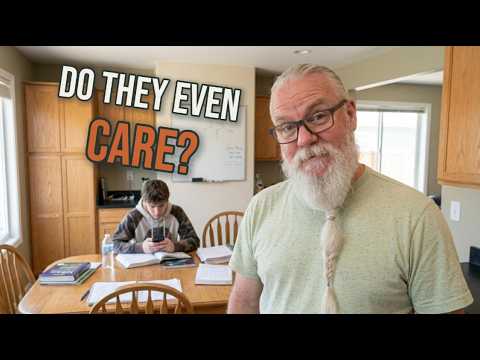
WHEN THEY SAY THEY DON'T CARE
“Whatever” sounds like a bad attitude. But it doesn't tell you what happened before the shutdown. I'll show you what to ask next to find out what's really going on.
Watch This Free VideoMEET DOC KNOTT
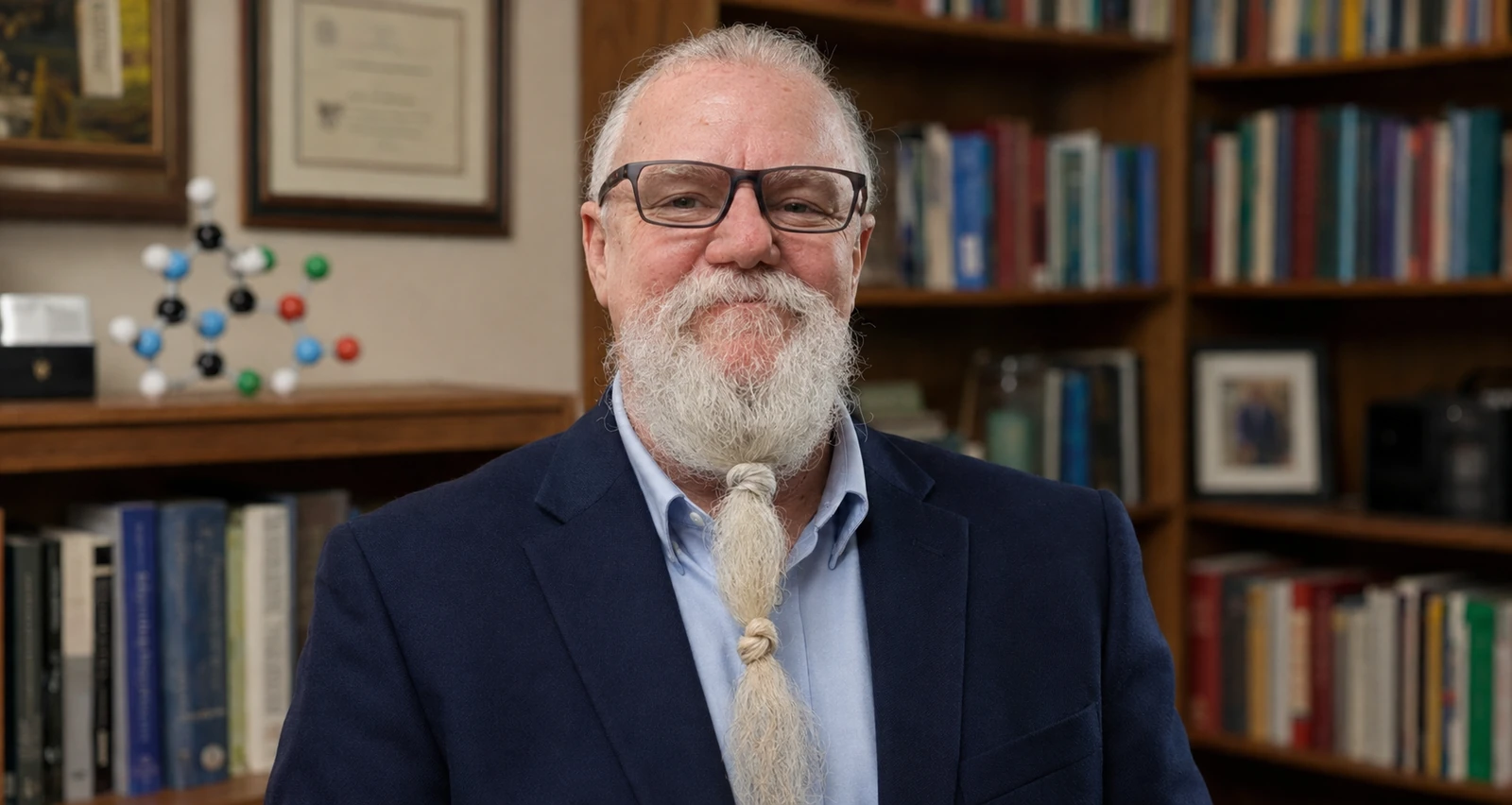
I'm Dr. Japheth Rauscher. Most people call me Doc Knott. I'm a college chemistry professor, Navy veteran and Chemistry Academic Coach. I also live with severe ADHD, dyslexia and a stutter.
I've worked with students in General, Honors, AP and IB Chemistry, where the pace gets faster and problems require students to connect several ideas without someone guiding every step.
People could see when I wasn't doing the work or seemed completely lost. They couldn't see where I was stuck, so they assumed I wasn't trying hard enough—or that I wasn't smart enough.
That's why I don't start there. I find the first place the problem stopped making sense, then teach the student what to do next.
Free 20-minute Chemistry Fit Call
IN A STUDENT'S OWN WORDS
Sammy took her first college chemistry course with Doc in Fall 2025. She noticed the care behind his teaching, the time he gave his students and the resources he built for their class.
Sammy, Chemistry 151 student
“I just really wanted to express my gratitude for the intentionality and how much care goes into his teachings.”
And I just really wanted to express my gratitude for the intentionality and how much care goes into his teachings. It's very apparent in both the resources he provides you with, how much time he's willing to dedicate to his students, and his Study Buddy that he developed. He developed it specifically for his course, which is really telling about the type of professor that he is, and it helped me immensely in his class. And I think that anybody who takes his course will really benefit from it. And I think that it's probably one of the best resources any professor has ever created in my educational experience. And this is for my second bachelor's degree, so I've done a little bit of schooling. But yes, thank you so much, and I hope you get as much out of it as I did.
ABOUT A CHEMISTRY LEARNING TOOL DOC CREATED
“I appreciated that it didn’t give you answers, it guided you in the direction you were heading already.”
No. I work with students with ADHD and students without it. I’m looking at what happens when they try to understand the chemistry, get started and keep going—not trying to diagnose them.
I work with students in General, Honors, AP and IB Chemistry. The work is online, so we can focus on the class, problems and study patterns your student is dealing with.
I’ll help your student understand the chemistry in front of them. But the goal isn’t only to finish tonight’s assignment. We also work on how to begin a problem, decide what to do next and recover when something goes wrong.
Homework can look fine when notes, examples, AI, a tutor or a parent are nearby. An exam asks the student to find the information, choose a first step and use it without that support. That difference helps us see where to look.
You tell me what you’ve been seeing, what you’ve already tried and what feels most urgent. I’ll listen and help you decide the next useful step. It takes about 20 minutes. No diagnosis. No pressure to enroll.
No. The next step may be something simple to try, a free resource, another provider, an Assessment if it would be useful—or no further work with me at all. If I think I can help, I’ll explain why.
My goal isn’t for your child to need me forever. It’s for them to need me less each month. I measure success by how confidently they can work without me. The right length depends on what we find and how the student responds.
The Parent Training, parent community and Chemistry Fit Call are free. If a paid service might be useful, I’ll explain what it includes and the exact price before you decide. Nothing is selected for your family before we talk.
You don't have to figure everything out today. Choose the next step that feels most useful right now.
Watch the free Parent Training to see why a student can understand the homework and still struggle on the test—and what you can look for before the next exam.
Watch the Free Parent TrainingTake a look inside When Smart Students Get Stuck, my free parent community. I share useful ways to help your child get started, study more effectively and work through problems—with ADHD or without it.
Take a Look InsideBook a free 20-minute Chemistry Fit Call with me. Tell me what has been happening, and we'll figure out the most useful next step.
Book a Free Chemistry Fit Call